
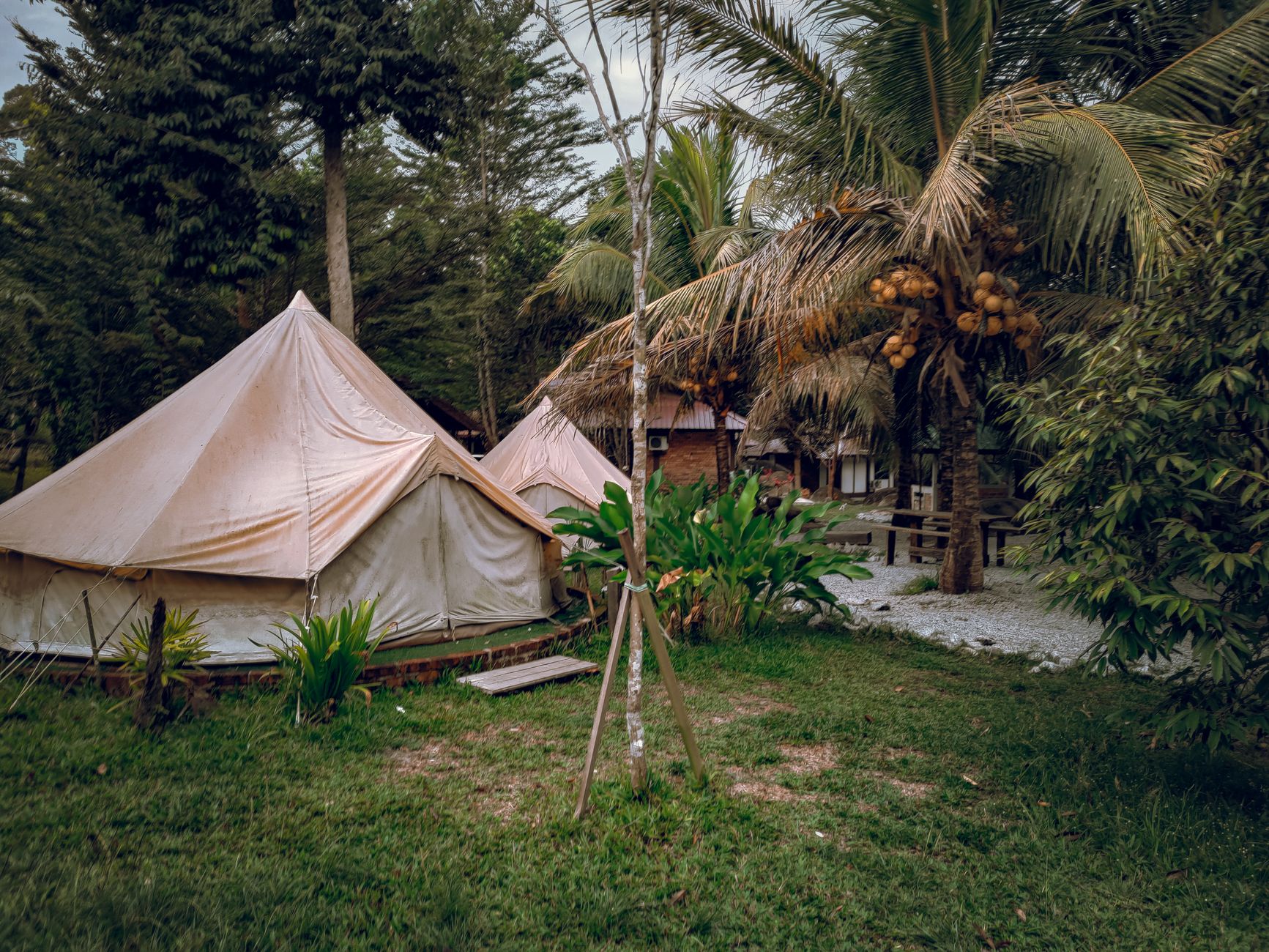
Hip Camp is a platform that connects campers with unique outdoor accommodation options, ranging from tent sites and RV parks to cozy cabins and luxurious glamping experiences. This innovative service caters to travelers seeking alternative lodging solutions while promoting a deeper connection with nature and the outdoors.
Whether you’re an adventurous family wanting to spend quality time in the wild, a solo traveler looking for tranquility, or a group interested in exploring lesser-known destinations, Hip Camps offer a wide variety of accommodations across the country. In this article, we’ll delve into what makes Hip Camp beneficial, how it works, and tips to plan your perfect outdoor getaway.
What Is a Hip Camp?
A Hip Camp is a unique camping experience provided through a web-based platform, allowing hosts to share their land and property for camping or glamping. The website operates similarly to Airbnb, but specifically for outdoor accommodations. Offers can include amenities such as fire pits, bathrooms, cozy seating areas, and other outdoor features that elevate the camping experience.
This platform has become increasingly popular among nature enthusiasts, families, and travelers looking for budget-friendly alternatives to hotels. It combines the joys of camping with the comfort of home, allowing campers to engage with local hosts and enjoy off-the-beaten-path locations not typically found in regular campgrounds.
Why Choose Hip Camp?
Choosing a Hip Camp means opting for a personalized camping experience that can enhance your travel adventure. The following points highlight the benefits of using Hip Camp:
- Diverse Options: Hip Camp offers a vast range of accommodations, from campsites to yurts to luxurious cabins, allowing you to choose what suits your style and budget.
- Unique Locations: Many Hip Camp locations are off-the-grid, providing access to secluded areas that are often overlooked by traditional camping establishments.
- Community Connection: Staying with local hosts creates opportunities for interaction with the community, enriching your travel experience through personal stories and guidance about the area.
- A Variety for Every Budget: Whether you’re looking for a rustic campsite or a glamorous stay, Hip Camp integrates budget-conscious choices into its offerings.
How to Use Hip Camp
Navigating the Hip Camp platform is a straightforward process. Here’s a step-by-step guide on how to get started:
- Create an Account: Sign up on the official Hip Camp website to create an account that allows you to book accommodations easily.
- Search for Locations: Use the website’s search bar to enter your desired destination, dates, and the number of campers. The platform will showcase available options.
- Filter Results: You can filter your search based on various criteria like price, type of accommodation, amenities, and accessibility needs to find the perfect spot.
- Read Reviews: Before booking, read reviews from previous campers to ensure a positive experience and to learn more about the site and the host.
- Book Your Camp: Once you find a spot that suits your needs, follow the booking process, which usually includes making a deposit and communicating with the host about your stay.
Types of Accommodations Offered
Hip Camp caters to multiple preferences and experiences, offering a diverse array of accommodations. Here’s a breakdown of the most popular types you might find:
- Traditional Campsites: Pitch your tent in picturesque settings, often surrounded by forests, mountains, or lakes.
- Glamping: Enjoy a more luxurious camping experience with comfortable beds, electricity, and sometimes even private bathrooms.
- Cabins and Yurts: For those who prefer a little more protection and comfort, renting a cabin or yurt can provide a middle ground between camping and hotel stays.
- Unique Stays: Some hosts offer unconventional accommodations such as treehouses, airstreams, or converted school buses, presenting a memorable stay.
Plan Your Hip Camp Trip
Successfully planning your Hip Camp trip requires careful consideration of several elements to ensure you have an enjoyable and fulfilling experience. Here’s a comprehensive guide to help you:
1. Choose Your Destination Wisely
Your choice of location can significantly impact your trip. Consider these factors:
- Proximity: Choose a destination within a reasonable driving distance unless you’re prepared for a longer journey.
- Terrain and Environment: Evaluate what kind of landscape you wish to explore, whether it’s beachside, mountain ranges, or dense forests.
- Activities Available: Research outdoor activities like hiking, fishing, or kayaking that the area may offer. A location with diverse opportunities can make your trip more enjoyable.
2. Understand Seasonal Considerations
Timing can greatly affect your camping experience. Consider the following:
- Weather Conditions: Research the typical weather for the season you plan to visit. Spring and fall often provide mild weather, while summer can be quite hot in certain areas.
- Crowd Levels: Peak season often results in crowded campsites. If you prefer solitude, consider visiting during the shoulder season.
- Wildlife Patterns: Be aware of the local wildlife and certain times of the year when animals are more active, which can impact your camping experience.
3. Gather Essential Gear
Be adequately prepared with the right equipment for your Hip Camp stay:
- Tent or Accommodation Appropriate Gear: Depending on your stay, ensure you bring a tent or necessary items for glamping or cabins.
- Cooking Supplies: If you plan to cook, pack portable cookware, utensils, and food items, or check if your host provides kitchen amenities.
- Safety Equipment: Carry a first aid kit and inform someone about your plans for safety.
4. Pack for Outdoor Exploration
Don’t forget to bring items tailored to your activities and comfort:
- Clothing: Consider the weather and pack layers, comfortable footwear, and rain gear.
- Outdoor Gear: If you enjoy hiking, bring a daypack with essentials like water bottles, snacks, and navigation tools.
- Recreational Items: Bring gear for activities such as fishing rods, canoes, or bicycles, depending on the location’s offerings.
5. Safety and Comfort Tips
Keep these critical points in mind for a safe and enjoyable trip:
- Familiarize Yourself with Local Guidelines: Understand park rules and regulations specific to the area where you are camping.
- Be Prepared for Emergencies: Always have a plan and inform someone about your whereabouts and estimated return time.
- Leave No Trace: Respect the environment and local wildlife by following Leave No Trace principles. Clean up after yourself and minimize your impact.
How to Meet Local Hosts
A key part of the Hip Camp experience is interacting with your local hosts. This can be done in several meaningful ways:
- Engage During Booking: Reach out to your host with any questions about the site or accommodations before your stay.
- Learn About the Land: Ask your host about the area. They often have valuable insight on the local attractions and experiences.
- Respect Their Space: While fostering connections is encouraged, always respect the host’s privacy and property boundaries.
Responsible Camping Practices
As you enjoy your Hip Camp experience, practicing responsible camping habits is essential. Consider the following:
- Leave No Trace: Ensure you leave your campsite cleaner than you found it, disposing of waste properly.
- Observe Wildlife from a Distance: Do not approach wild animals, and always keep food secured to avoid attracting them.
- Control Campfires: Follow the rules regarding campfires, use established fire rings, and always extinguish fires thoroughly.
Budgeting Considerations
Hip Camp provides budget-friendly options, but planning your finances is still essential. Here are some budgeting tips:
- Assess Accommodation Costs: Prices for Hip Camps can vary widely based on location, amenities, and timing. Determine a budget that suits you.
- Include Travel Expenses: Don’t forget to budget for gas or transport costs if you’re traveling a significant distance to your campsite.
- Plan Food and Supplies Budget: Depending on whether you cook or dine out, have an estimate for food expenses during your trip.
Best Times to Use Hip Camp
The best time to book a Hip Camp can differ based on the region, but some general guidelines include:
- Spring and Fall: These are often ideal times for camping with mild temperatures and beautiful scenery.
- Summers: Popular for family vacations, but book well in advance to secure a spot as many campers flock to popular areas.
- Winter: Some locations may offer winter camping with snow activities, but be prepared for cold weather conditions.
Accessibility Considerations
When planning your Hip Camp trip, it’s essential to address accessibility needs. Not all campsites may be equipped for people with disabilities. Here are some considerations:
- Check Accessibility Features: Filter your search options for campsites specifically labeled as wheelchair-accessible or suitable for travelers with mobility difficulties.
- Communicate with Hosts: Don’t hesitate to reach out to hosts for more information regarding accessibility features and accommodations.
Conclusion
Hip Camp has redefined the camping landscape by offering diverse, unique accommodation options that appeal to outdoor lovers, families, and adventure seekers alike. By using this platform, travelers can connect with nature while enjoying a personalized experience that traditional campgrounds often lack. Whether you’re cradled by towering pines or next to a shimmering lake, make the most of your next escape by planning a stay at a Hip Camp.
To further enhance your travel planning, explore related destination guides and articles including California Side and Things to Do in Palm Springs Today.