
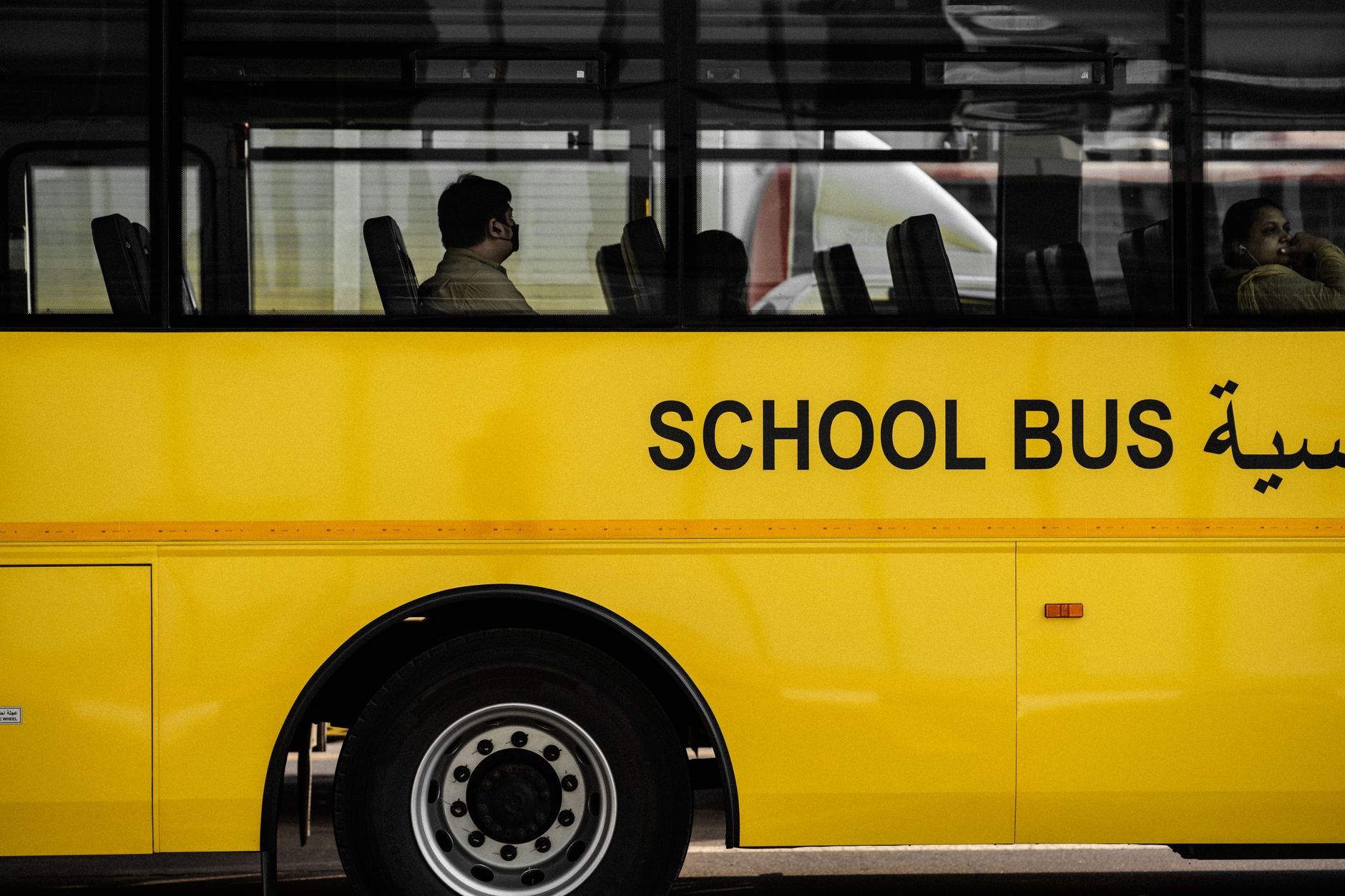
Understanding how many students a school bus can hold is crucial for parents, school administrators, and travel planners alike. Whether you are coordinating school field trips or simply curious about school transportation, knowing the capacity of a school bus can help you make informed decisions. In this article, we will explore various aspects of school bus capacities, as well as other key elements related to school transportation.
School buses typically hold between 36 and 72 students, depending on the size and configuration of the vehicle. Factors such as student age, seating arrangement, and safety regulations play a significant role in determining the number of students that can be safely accommodated. This guide will delve deeper into these considerations, as well as provide practical information on coordinating travel with school buses.
How Many Students Does A School Bus Hold?
The answer to the question of how many students a school bus can hold varies based on several factors. Most standard school buses are designed to seat approximately 36 to 72 passengers. Small buses, often referred to as “Type A” buses, hold about 20 to 30 students, while larger “Type C” (conventional) or “Type D” (transit style) buses can accommodate a greater number, ranging from 54 to 72 students.
Factors That Affect Bus Capacity
Several factors influence the capacity of a school bus. Understanding these factors can help ensure efficient and safe school transportation.
1. Type of Bus
As mentioned earlier, the bus type greatly affects the number of students it can hold. Here are the main types of school buses:
- Type A: These are smaller buses, usually designed for small groups, holding about 20 to 30 students.
- Type C: The most common bus type, typically seating 54 to 72 students and ideal for medium to large groups.
- Type D: Larger buses, often used for very large groups or special events, can hold between 66 to 90 students.
2. Student Age
The age of students being transported also affects bus capacity. Younger children take up less space, so more students can fit in one bus compared to older students or adults. Since elementary school students are generally smaller, a bus may reach maximum capacity with younger passengers more quickly.
3. Seating Configuration
Seat design and spacing are also determining factors. Standard school bus seats are usually about 39 inches wide. Buses can be designed with either high-back seats or bench-style seating, which can influence comfort levels and perceived capacity. However, safety regulations often dictate the number of students allowed aboard, limiting occupancy after a certain point.
4. Safety Regulations
Various federal and state regulations define maximum capacity thresholds for school buses. These guidelines consider factors such as seatbelt availability and seating arrangement. It’s crucial to consult local regulations to ensure compliance during school trips.
School Bus Safety Standards
When discussing school bus capacities, it is essential to consider safety standards. School buses are designed with robust safety features, which can affect how many students they can transport effectively.
1. Crash Safety
School buses are among the safest vehicles on the road, designed to withstand accidents and protect occupants. The buses feature high seat backs, padded seating, and reinforced structures. Each seat is designed to act as a protective barrier, hence why they are often used for safety metrics rather than strictly counting seats.
2. Seat Belts
While the majority of newer school buses come equipped with seat belts, many older models do not. The presence of seat belts may affect how school districts determine seating arrangements, as regulations regarding child safety often limit the number of passengers based on seat belt availability.
3. Driver Requirements
School bus drivers must be trained to operate these vehicles and understand safety regulations specific to child passengers. A well-trained driver is critical for ensuring safety, compliance, and maintaining the appropriate student-to-seat ratio.
Logistics of Coordinating Bus Transportation for Students
When planning trips or daily transportation for students, it’s vital to coordinate logistics effectively. Here are some practical tips:
1. Establish Clear Communication
Effective communication is key when coordinating school bus transport. Whether you are dealing with parents, school staff, or the bus company, ensure all parties understand schedules, expectations, and any logistics involved.
2. Calculate Required Buses
Use the capacity of your chosen school bus type to determine how many buses you will need based on the number of students to be transported. Always aim for efficient use, ensuring that the number of students does not exceed capacity for safety reasons. Having a few extra seats available for chaperones or emergencies is usually advisable.
3. Monitors or Chaperones
Assigning monitors or adult chaperones can ensure that students remain safe and accounted for during transportation. Designate someone to oversee the boarding process to help maintain order, especially when dealing with younger students.
4. Consider Special Needs
Be mindful of any students with special needs who may require additional support during transportation. Ensure that the bus is equipped and staffed to cater to those needs without exceeding capacity.
Typical Scenarios That Utilize School Bus Transport
School buses are not just for daily commutes. Here are some scenarios where coordinating transportation is essential:
1. Field Trips
Field trips often require multiple buses, especially when dealing with larger classes. Plan ahead by confirming numbers and ensuring permission slips are collected well in advance.
2. Sports Events
When teams travel for games, it’s usual to transport players, coaches, and cheerleaders using school buses. Factor in any additional family members who may wish to attend and adjust the number of buses as needed.
3. Summer Programs
Various summer programs may involve school buses for transporting students to various activities. Ensure proper planning to accommodate multiple groups within the same vehicle during peak times.
Cost Considerations for School Bus Transportation
When planning for school bus transport, budget considerations are vital. Here are some factors to keep in mind:
1. Rental Costs
Costs can vary significantly depending on the region, duration, type of bus, and distance traveling. Always request estimates from several transportation providers to find the most economical option.
2. Staffing Costs
Don’t forget to factor in the costs associated with hiring drivers, particularly for long-distance trips or trips requiring specialized drivers for larger vehicles.
3. Fuel Charges
Fuel pricing fluctuates, and it is a good practice to estimate fuel costs, especially if the trip involves considerable travel distance. It may be worth confirming if fuel charges are included in any quotes received.
4. Insurance and Liability
Check insurance policies to understand coverage for students during transportation. School insurance may cover these aspects, but it helps to clarify each provider’s policies regarding liability.
Accessibility in School Transportation
Many school districts have developed programs that address the needs of students requiring accessible transportation. Here are some considerations:
1. Wheelchair Accessible Buses
Choosing buses equipped with wheelchair lifts ensures that students with mobility issues can safely and comfortably travel. Consult your bus provider about available options and special requirements.
2. Seat Assignments
Seating arrangements should consider students with special needs and facilitate easy access to designated seating. Planning ahead can reduce potential issues during transport.
3. Knowledge of Staff
Training drivers and monitors on how to assist students in accessible situations is critical. Drivers should be versed in best practices for assisting not just those with physical disabilities, but also those with sensory needs.
Conclusion: Practical Steps for Effective School Bus Transportation Planning
Understanding how many students a school bus holds is only the beginning of effective planning for school transportation. By considering factors such as bus type, safety regulations, and logistical coordination, you will be able to ensure a safe and efficient experience for all students.
As you start planning your school transport arrangements, remember to keep safety, budget, and effective communication at the forefront to maximize the experience for students and staff alike. Coordination does not have to be overwhelming—strategic planning will streamline the process significantly.
For further insights, explore our guides on how many people can fit into an Uber XL or if LAX has priority pass lounge options for convenient travel. Each resource offers practical information to enhance your travel planning experience.