
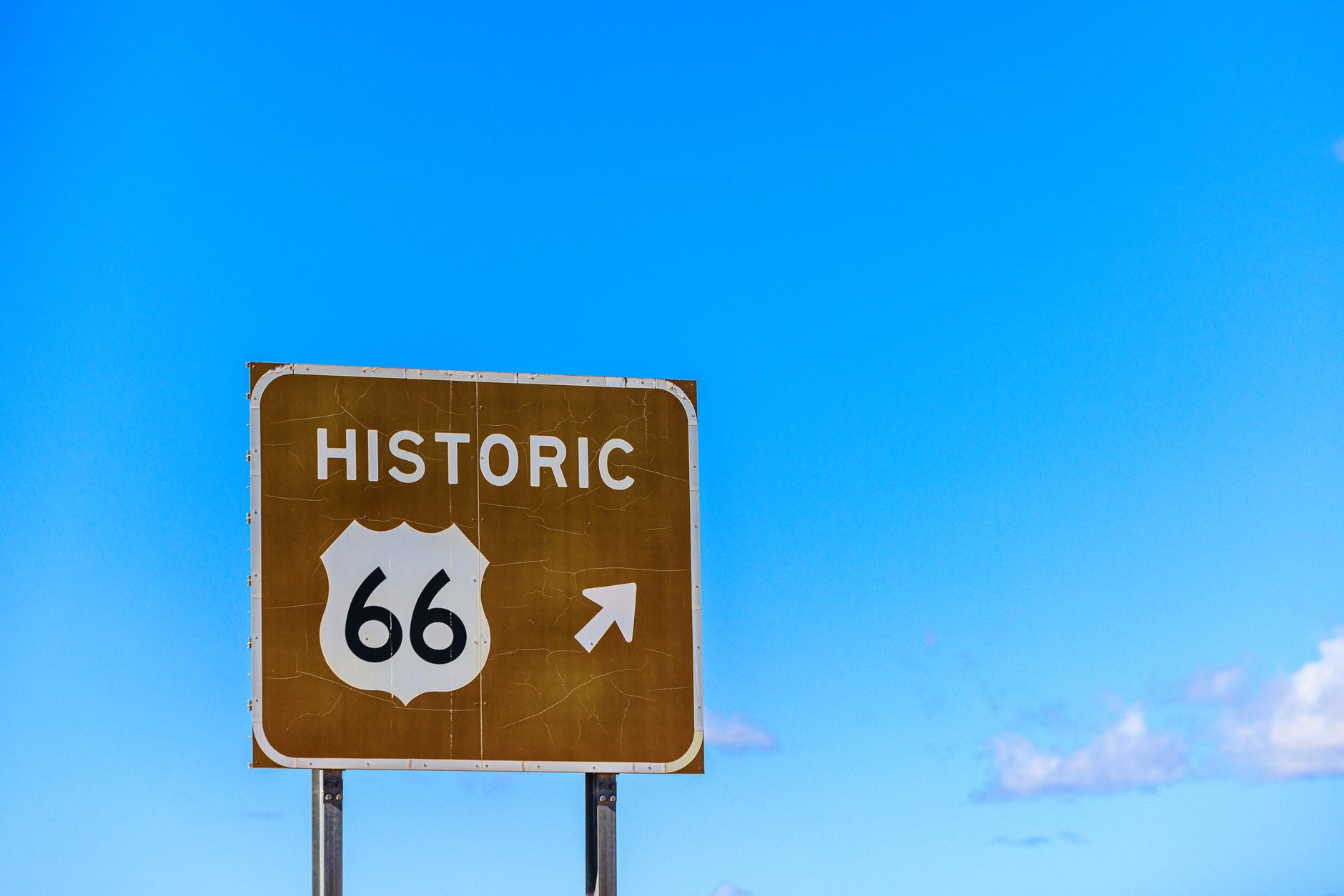
Route 66, often referred to as the “Main Street of America,” offers an iconic slice of Americana as it winds its way from Chicago to Santa Monica. But how long does it actually take to drive this legendary highway? The answer varies depending on your travel pace, the time you want to spend at different stops, and whether you choose to stick strictly to the route or take some detours.
The entire stretch of Route 66 spans approximately 2,448 miles. Many travelers opt for a leisurely journey, allowing for sightseeing, dining, and exploring the history along the way. On average, a road trip along Route 66 typically takes about two to three weeks or roughly 14 to 21 days, although some may choose to do it in less or more time.
How Long Does It Take To Drive Route 66?
The time it takes to drive Route 66 largely depends on your individual travel style, the number of attractions you want to visit, and how long you want to linger at each stop. A rapid trip could take as little as a week, while a more leisurely exploration might span three weeks or more. For detailed planning, consider the daily driving distances and popular stops along the way.
Understanding Route 66: The Basics
Route 66 stretches across eight states: Illinois, Missouri, Kansas, Oklahoma, Texas, New Mexico, Arizona, and California. The route has an extensive history and plays a significant role in American culture, making it a treasure trove of sights.
As you plan your drive, it’s essential to account for various factors, such as driving conditions, available attractions, and your preferred pace. Here are some crucial aspects to consider:
- Driving Distance: The full length is roughly 2,448 miles.
- Average Speed: Consider driving at 50-60 mph for most parts of the journey.
- This translates to about 40-50 hours of drive time without stops.
Planning Your Itinerary: Suggested Length of Stay
When planning your road trip, it’s helpful to break down the journey into manageable segments with specific stopping points. Here’s a general outline that could help you on your adventure:
Week 1: Chicago to Oklahoma City
Start your journey in Chicago, where you can explore the city for a day or two before hitting the road. Approximately drive 200 miles each day, stopping at small towns and attractions.
- Day 1-2: **Chicago, Illinois:** Visit the iconic Route 66 sign, local diners, and historic landmarks.
- Day 3: **Joliet, Illinois:** The Joliet Area Historical Museum is a must-see.
- Day 4: **St. Louis, Missouri:** Explore the Gateway Arch and enjoy local barbecue.
- Day 5: **Spingfield, Missouri:** Check out the Route 66 Car Museum.
- Day 6: **Tulsa, Oklahoma:** Experience the Route 66 Historic District and art deco architecture.
- Day 7: **Oklahoma City:** Visit the National Cowboy & Western Heritage Museum.
Week 2: Oklahoma City to Santa Fe
The second week of your journey will take you deeper into the Southwest. This leg offers a blend of cowboy culture, historic landmarks, and natural beauty.
- Day 8: **Amarillo, Texas:** Visit the Cadillac Ranch and experience the local steakhouse culture.
- Day 9: **Santa Fe, New Mexico:** Enjoy the Pueblo-style architecture and the Georgia O’Keeffe Museum.
- Day 10: **Albuquerque:** The city’s Old Town, Sandia Peak, and vibrant food scene await you.
Week 3: Santa Fe to Santa Monica
The last stretch of your journey will have you exploring deserts and coastal views as you approach the Pacific.
- Day 11: **Flagstaff, Arizona:** Consider a day visit to the Grand Canyon National Park.
- Day 12: **Kingman, Arizona:** Visit the Route 66 Museum and historic landmarks.
- Day 13: **Barstow, California:** Explore the Route 66 Museum or nearby Calico Ghost Town.
- Day 14: **Santa Monica, California:** Celebrate your journey at the Santa Monica Pier.
Daily Driving Distances and Time Management
The daily driving distances can significantly influence how long it takes to complete the trip. Staying on track mostly involves balancing driving time with the time spent at each attraction. Aim for approximately 200-300 miles per day for a more leisurely pace.
Sample Daily Breakdown
- **Day 1:** Chicago to Joliet – 45 miles
- **Day 2:** Joliet to St. Louis – 300 miles
- **Day 3:** St. Louis to Springfield – 100 miles
- **Day 4:** Springfield to Tulsa – 200 miles
- **Day 5:** Tulsa to Oklahoma City – 105 miles
- **Day 6:** Oklahoma City to Amarillo – 260 miles
- **Day 7:** Amarillo to Santa Fe – 300 miles
Attractions Along Route 66
One of the best things about driving Route 66 is the variety of attractions and sights you can see along the way. Here are some highlights in each state:
Illinois
- Route 66 Sign in Chicago
- Joliet Prison: now a museum
Missouri
- Gateway Arch in St. Louis
- Route 66 Museum in Lebanon
Kansas
- Historic downtown Baxter Springs
- Rainbow Bridge in Galena
Oklahoma
- Will Rogers Memorial Museum in Claremore
- Route 66 Historical Village in Tulsa
Texas
- Cadillac Ranch in Amarillo
- Route 66 Historic District in Shamrock
New Mexico
- Pueblo Cultural Center in Albuquerque
- Route 66 Diner in Santa Fe
Arizona
- Grand Canyon National Park
- Route 66 Museum in Kingman
California
- The end of Route 66 at Santa Monica Pier
- Historic Little Red Schoolhouse in Pasadena
Accommodation Options
As you travel along Route 66, you’ll find a range of accommodation options from motels and hotels to campgrounds that provide the spirit of the road trip experience.
Budget Lodging
- Motel 6: Affordable stays along the route with convenient locations.
- Budget Inn: A chain popular for basic amenities.
Mid-range Hotels
- Best Western: Offers a range of comfortable hotels along the route.
- Comfort Inn: Known for their amenities and hospitality.
Unique Stays
- Retro Motels: Look for motels styled in the classic Americana aesthetic.
- B&Bs: Many towns have charming bed-and-breakfast options.
Budget Considerations
Budgeting for your Route 66 trip involves accounting for fuel, accommodation, food, attractions, and any additional activities along the way.
Fuel Costs
Calculate fuel costs based on your vehicle’s mileage and current gas prices. With fluctuating gas prices, it’s wise to prepare for costs that could range from $200 to $400 depending on your route and fuel efficiency.
Food and Dining
Dining can range from affordable fast food to local diners. Budget around $30-$50 per day for meals, depending on taste.
Attractions
Some attractions may have admission fees, budgeting about $10-$20 per person for attraction tickets is sensible.
Safety and Practical Considerations
When driving Route 66, it’s important to maintain awareness and preparedness to ensure a safe trip.
Driving Safety
- Follow speed limits and be aware of changing road conditions.
- Plan for rest stops—drive in manageable segments to avoid fatigue.
Weather Concerns
Weather conditions vary significantly across the different states. Be prepared for rain in the Midwest or heat in the Southwest. Carrying water and an emergency kit is advisable.
Best Times to Visit
The ideal time for a Route 66 trip is typically late spring (May) or early fall (September through October). During these months, temperatures are moderate, and the roads are less crowded than in summer vacation times.
Final Thoughts
Planning a drive along Route 66 is more than just a road trip; it’s a chance to immerse yourself in the rich tapestry of American history and culture. By strategizing your route, your stops, and your timeline, you can make the most of this iconic journey.
The time to complete the trip is truly up to you. Allocate at least two weeks for a satisfying experience, allowing time for unexpected discoveries. Ultimately, the journey is as rewarding as the destination itself.
Explore related destination guides and travel-planning articles to enhance your travel journey, including things to do in Bakersfield, CA and attractions in Victorville, CA.