
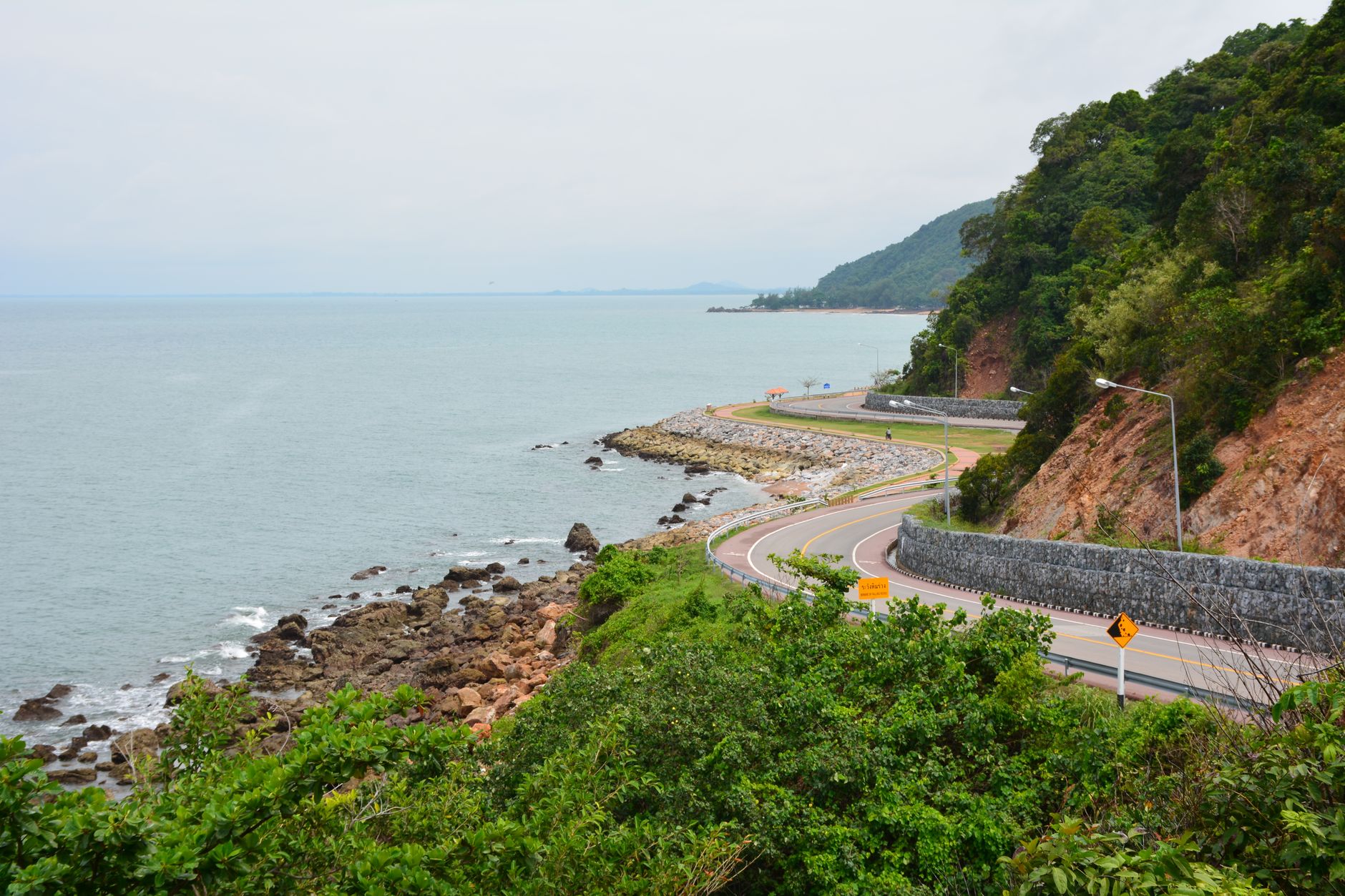
Costa Rica is a tropical paradise renowned for its biodiversity, stunning landscapes, and vibrant cultures. Many travelers dream of exploring this Central American wonder by road, captivated by the prospect of scenic routes and local experiences along the way. But can you actually drive to Costa Rica? Understanding the logistics, requirements, and best routes will help you make this journey a reality.
In this comprehensive guide, we will explore the essentials of driving to Costa Rica, including border crossing procedures, the best routes from neighboring countries, and practical tips for a successful road trip. Whether you’re traveling from the north or south, you can embark on an unforgettable adventure into this beautiful country.
Can You Drive To Costa Rica?
Yes, you can drive to Costa Rica, primarily from neighboring countries such as Nicaragua and Panama. However, there are specific requirements, border crossing regulations, and vehicle documentation you must adhere to for a smooth journey.
Preparing for Your Journey
Before hitting the road towards Costa Rica, you need to prepare adequately. Here are important considerations:
Required Documentation
- Passport: Ensure your passport is valid for at least six months beyond your intended stay.
- Vehicle Registration: Bring the original vehicle registration and a photocopy.
- Insurance: Obtain insurance that covers you in Central America; local insurance may be required at the border.
- Driver’s License: An International Driving Permit (IDP) is recommended along with your home country’s driver’s license.
Vehicle Preparation
Make sure that your vehicle is in good working condition. Check the following aspects:
- Tires: Inspect tire pressure and tread depth.
- Fluids: Ensure that all fluids (oil, coolant, brakes, etc.) are topped off.
- Tools: Carry basic tools for minor repairs or emergencies.
Safety Considerations
Driving through Central America requires a degree of caution. Here are some safety tips:
- Avoid driving at night in unfamiliar areas.
- Stay on paved roads where possible and adhere to local traffic laws.
- Keep your vehicle locked and valuables out of sight when stopped.
Routes to Costa Rica
Driving to Costa Rica from neighboring countries involves several established routes. The most common entry points are from Nicaragua or Panama.
Driving from Nicaragua
The most popular crossing from Nicaragua is through the Peñas Blancas border. The drive from Managua to Peñas Blancas generally takes about 2.5 to 3 hours. Here are details for this journey:
- Route: Take the Pan-American Highway (CA-1) from Managua towards the border.
- Border Crossing: At Peñas Blancas, expect to complete both an exit procedure in Nicaragua and an entry procedure in Costa Rica.
- Time: Allow a minimum of 2 hours for border formalities.
Driving from Panama
The primary entry point from Panama is through the Sixaola border. This route may offer a more scenic drive, with beautiful views of the Caribbean coast. Here’s what to consider:
- Route: Travel from David to Changuinola, following signs toward the Sixaola border.
- Crossing: At Sixaola, the crossing is relatively straightforward, especially compared to some other borders.
- Time: Plan for about 1.5 to 2 hours for the crossing depending on traffic.
Border Crossing Procedures
Crossing into Costa Rica requires navigating several steps. While the process may vary slightly depending on the border, fundamental requirements generally apply:
Nicaragua to Costa Rica
When crossing at Peñas Blancas, travelers should expect to go through both Nicaragua and Costa Rica customs:
- Nicaragua Exit Requirements: Present your passport, vehicle documents, and pay any applicable exit fees.
- Costa Rica Entry Requirements: Produce your passport and vehicle registration, and fill out a customs declaration form.
- Pay Fees: There may be an entry fee for both passengers and vehicles.
Panama to Costa Rica
The process at the Sixaola border is relatively less complicated:
- Panama Exit Requirements: Show your passport and vehicle documents while paying any exit tax.
- Costa Rica Entry Requirements: Similar procedure as above, including vehicle insurance.
Driving Around Costa Rica
Upon entering Costa Rica, getting around is easily manageable. The country has a well-developed road network, primarily centered around the Pan-American Highway.
Main Roads and Highways
- Ruta 1 (Pan-American Highway): The primary route, connecting various major cities like San José, Alajuela, and Liberia.
- Ruta 32: Connects San José to Limón, taking you to the Caribbean coast.
- Ruta 27: The toll road that leads to the Pacific coast, particularly popular for reaching popular beach destinations.
Driving Tips in Costa Rica
Driving in Costa Rica can be both rewarding and challenging. Here are some helpful tips for navigating:
- Watch for wildlife crossing roads, especially in rural areas.
- Be cautious of local driving habits; always yield to pedestrians.
- Familiarize yourself with local landmarks and signs, which may be different from your home country.
Accommodation Options in Costa Rica
While on the road, choosing the right accommodations can enhance your traveling experience. Costa Rica offers diverse options ranging from luxury hotels to budget hostels.
Popular Areas to Stay
- San José: Ideal as a starting point, with numerous hotels and hostels.
- Arenal: Famous for the Arenal Volcano and lush rainforests, offering various lodging options.
- Guanacaste: This area boasts beautiful beaches and luxury resorts bordering the Pacific coast.
Types of Accommodation
Consider your travel style when choosing accommodation:
- Hotels: From boutique hotels to large chains, Costa Rica has options for every budget.
- Hostels: Ideal for backpackers and budget travelers, providing shared facilities and a community atmosphere.
- Airbnb: Offers unique lodging experiences, such as private homes, villas, or eco-lodges.
Best Time to Visit Costa Rica
Timing your visit to Costa Rica influences your experience, particularly regarding weather conditions and crowds.
High Season vs. Low Season
- High Season (December to April): Known for dry weather and popular among tourists, leading to crowded attractions and higher prices.
- Low Season (May to November): Expect more rain, especially in the Caribbean and Pacific coastal areas, but often offers lower rates and fewer crowds.
Recommended Length of Stay
For a fulfilling experience exploring Costa Rica, a duration of 10 to 14 days is generally recommended. This allows ample time to visit various regions, engage in activities such as hiking, relaxation on beaches, and wildlife encounters.
Budgeting for Your Trip
Understanding costs is crucial for planning your drive to Costa Rica. Here’s a breakdown to help you budget effectively:
Estimated Costs
- Fuel: Prices fluctuate; on average, gasoline costs around $5-$6 per gallon.
- Toll Roads: Factor in toll charges when using highways, especially Ruta 27.
- Accommodation: Depending on the type, nightly rates can range from $15 (hostels) to $200 (luxury hotels).
- Food and Activities: Plan for around $10-$30 per meal and budget for attractions and tours, which vary widely.
Travel Insurance
It’s wise to invest in travel insurance. This can cover vehicle-related incidents and unexpected emergencies while traveling in Costa Rica.
Conclusion
Driving to Costa Rica offers an incredible opportunity to immerse yourself in the natural beauty and culture of Central America. With proper planning regarding documentation, routes, and safety considerations, the journey can be as rewarding as the destination itself. Prepare your vehicle, gather your documents, and set off on an unforgettable road trip adventure to Costa Rica!
For more travel insights, check out our related articles on flying into Costa Rica and the best time to visit Costa Rica. Find all the information you need for a well-rounded travel experience!