
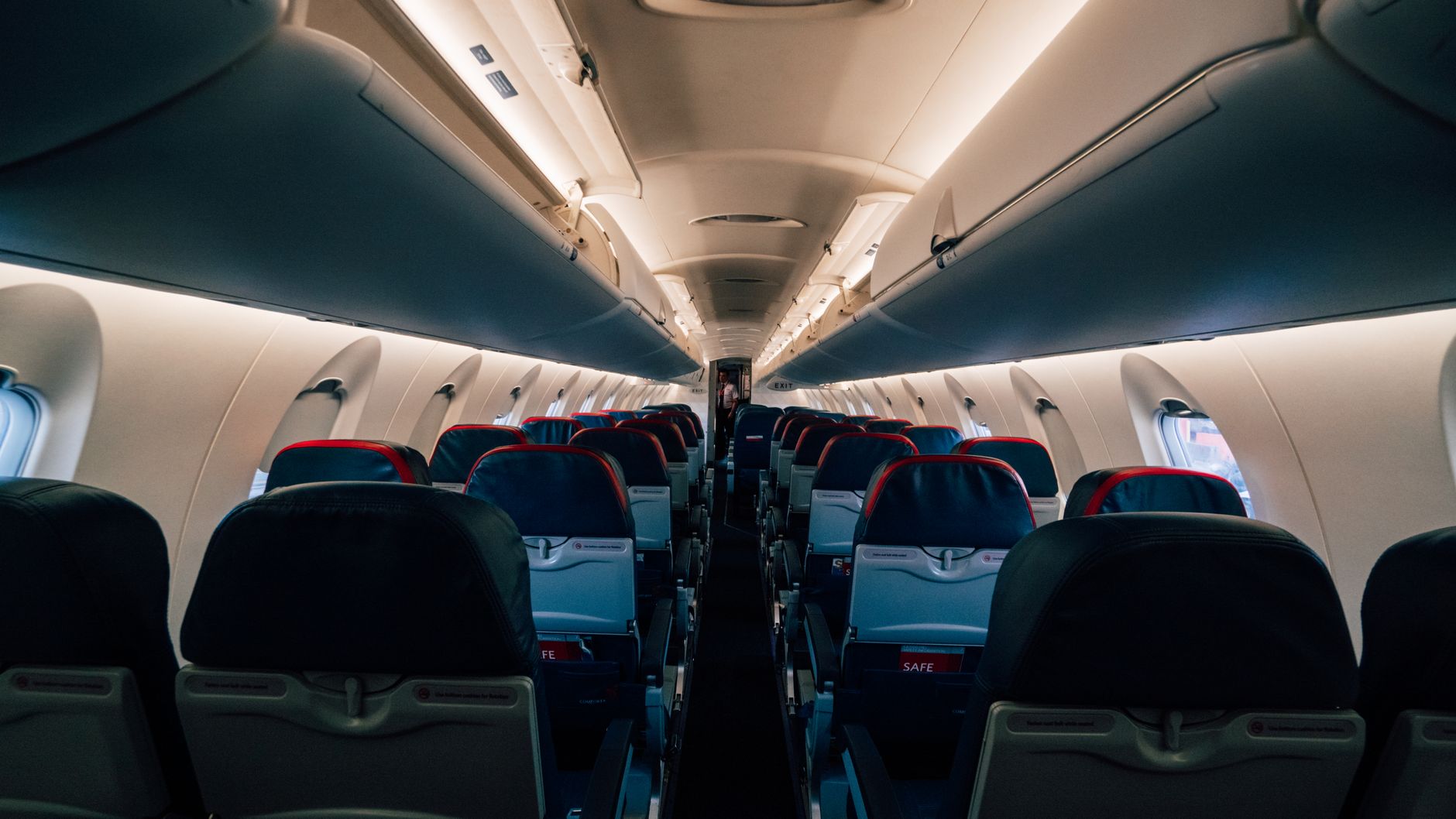
When considering ways to show appreciation during air travel, a common question arises: can flight attendants accept tips? Understanding the nuances of tipping in the airline industry is essential for both passengers and crew members. This article delves into the policies surrounding tips, cultural perceptions, and best practices while flying, ensuring you’re informed for your next journey.
While many people want to express gratitude to flight attendants for their service, it’s important to know that tipping practices vary significantly across airlines, cultures, and regions. This guide will clarify whether flight attendants can accept tips and offer insights into the etiquette surrounding this practice.
Can Flight Attendants Accept Tips?
In general, flight attendants are not permitted to accept cash tips due to airline policies. Many airlines maintain a strict no-tipping policy, viewing services as part of the job rather than something that warrants additional compensation. However, some crew members may accept non-cash tokens of appreciation, like a thank-you note or a small gift, depending on the airline’s policies and local customs.
It’s advisable to check with the specific airline before you travel, as practices can differ widely. For instance, some low-cost carriers may adopt a more relaxed tipping culture compared to full-service airlines. Understanding these nuances will enhance your travel experience.
Understanding Airline Policies
Airline rules regarding tips are primarily dictated by company policy, and this often reflects a larger cultural attitude toward tipping. In the United States, tipping is generally expected in service industries; however, airlines often discourage cash tips as they complicate financial transactions and regulatory compliance.
- Major U.S. Airlines: Most major carriers in the U.S., including American Airlines, Delta, and United, adhere to strict no-tipping policies.
- International Airlines: Some international carriers may adopt different tipping practices based on their country of origin and cultural expectations. For example, this might vary in airlines operating in countries where tipping is a customary part of service.
The Rationale Behind No-Tipping Policies
Several reasons contribute to the no-tipping policies that many airlines put in place:
Standardization of Service
Airlines wish to maintain a uniform standard of service, where all passengers receive the same level of care irrespective of whether they choose to tip or not. This helps create a consistent flying experience for everyone.
Legal and Tax Implications
Tipping can introduce complex tax implications for airlines and employees. Accepting tips may require airlines to track these earnings for tax purposes, which could complicate payroll investigations and customer transactions.
Professionalism and Job Integrity
Many flight attendants view their role as a professionals providing essential services. By discouraging tipping, airlines aim to maintain a level of professionalism and integrity in their services, separating them from industries where tipping is common.
Cultural Perspectives on Tipping in the Airline Industry
Cultural attitudes toward tipping can significantly influence whether or not flight attendants may receive tips. In countries where tipping is customary in various service industries, such as the United States, passengers often feel inclined to provide financial compensation. However, in other cultures, tips may be viewed less favorably or even as an insult.
- United States: Tipping is common in most service industries, although it is still not encouraged on flights.
- Europe: Tipping practices vary considerably; some countries, such as France, have higher rates of acceptance for small gratuities compared to countries like Germany, where it’s less common.
- Asia: In many Asian cultures, tipping is often seen as unnecessary and, in some cases, rude.
Alternatives to Tipping Your Flight Attendant
While directly tipping flight attendants may not be accepted, there are other ways to show gratitude and recognition for their hard work:
- Express Verbal Gratitude: A sincere “thank you” can go a long way in showing appreciation for a crew member’s service.
- Write a Note: Leave a short thank-you note for the crew or mention their excellent service to a supervisor, reflecting positively on them.
- Compliment: A kind word about their service can impact a flight attendant’s day, making them feel valued.
- Utilize Airline Feedback Systems: Most airlines have systems in place for passengers to provide feedback. Recognizing exceptional service in these ways can sometimes lead to formal acknowledgments of the crew’s efforts.
Best Practices for Travelers Regarding Tipping
While the main question revolves around whether flight attendants can accept tips, other best practices can ensure respectful interactions while flying. Follow these guidelines:
- Know the Airline’s Policy: Before you fly, familiarize yourself with the airline’s rules regarding tipping. Always respect their procedures.
- Be Considerate: Understand that flight attendants are often working under stress and pressure. A small show of kindness can make a huge difference.
- Be Engaged: Ask questions about the flight, flight attendants love engaging with passengers. Build rapport without relying on tipping as a means of appreciation.
Customer Service Experience and Satisfaction
Numerous studies suggest that excellent service can enhance a passenger’s flight experience. A satisfied traveler is likely to be a loyal traveler. Therefore, showing appreciation—or at least acknowledging great service—plays a vital role in creating a positive atmosphere.
Some airlines encourage their crews to go above and beyond because satisfied customers are more likely to become repeat flyers. Engaging positively with flight attendants can help everyone enjoy their flying experience more.
What to Do If You Want to Tip
In some rare instances where passengers feel compelled to tip despite regulations, consider these options:
- Check Airline Policy: Revisit the airline guidelines before taking action. Some airlines have exceptions for special occasions.
- Offer Non-Monetary Gifts: If permissible, consider giving small gifts, like chocolates, or local souvenirs instead of cash.
- Informally Ask: If circumstances allow, ask flight attendants how they feel about small gestures of gratitude.
Concluding Thoughts on Tipping Flight Attendants
The overarching sentiment is to respect airline policies and cultural perceptions surrounding tipping while acknowledging that personal interactions can go a long way. Rather than offering cash, consider engaging with your crew, expressing your gratitude verbally, or acknowledging their efforts through formal feedback. Following these guidelines can help ensure a congenial flying experience for you and all service personnel onboard.
As you plan your travels, consider exploring related topics such as how to score free flight upgrades or tips for getting free Uber rides. Discover more about ensuring a smooth travel experience.