
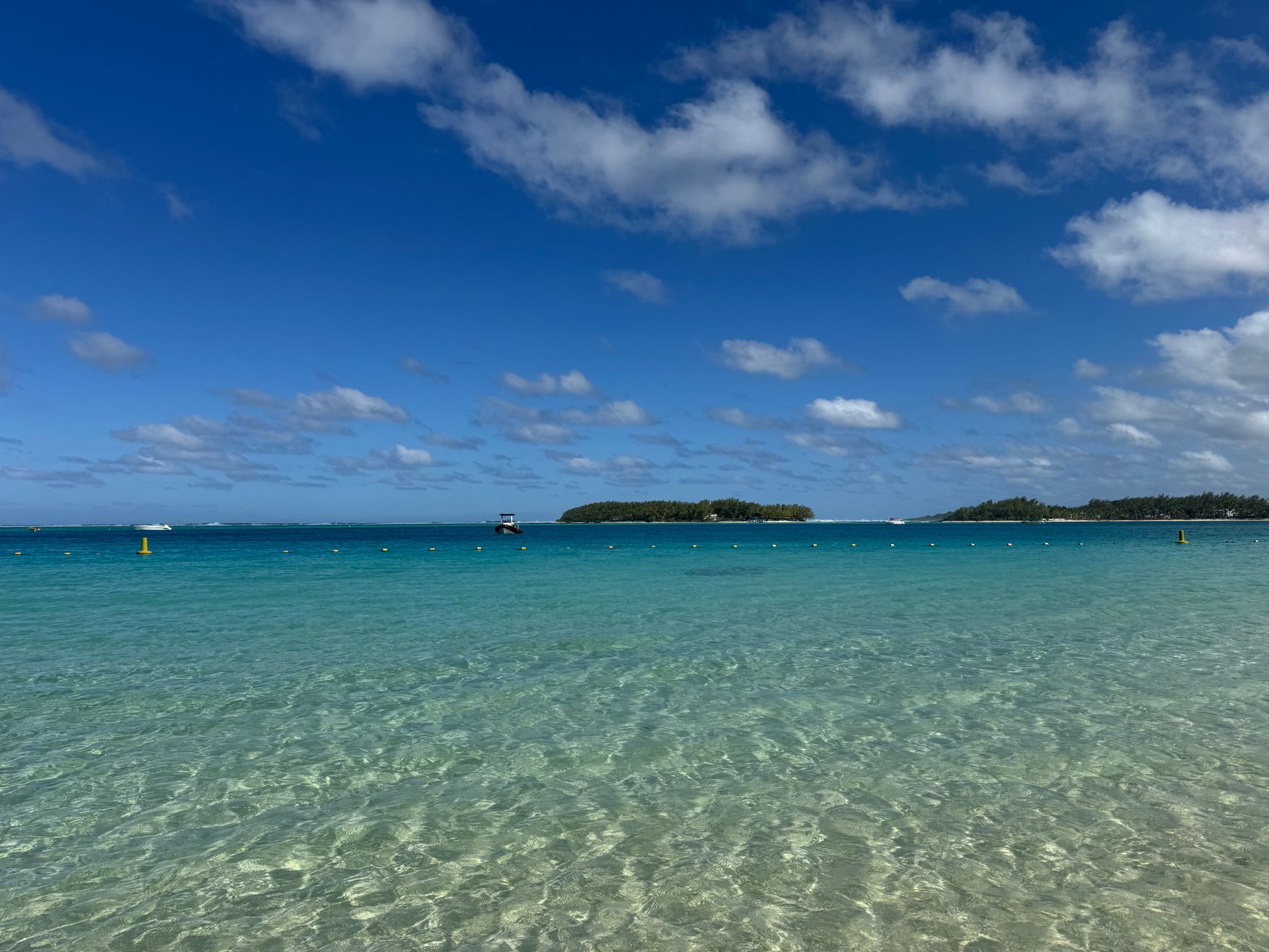
February is often considered one of the more unique months to visit Hawaii. While many destinations experience dreary winter months, Hawaii offers warm temperatures and beautiful scenery year-round. If you’ve been thinking about a trip to this tropical paradise, you’ll want to weigh the pros and cons of visiting in February to determine whether it’s the right time for you.
In this guide, we will explore the benefits of a February visit to Hawaii, activities to enjoy, considerations for travel planning, accommodation options, and much more. With this information, you’ll be equipped to decide if the alluring islands of Hawaii should be your next vacation destination in February.
Is February A Good Time To Go To Hawaii?
Yes, February can be a good time to visit Hawaii. The weather is generally pleasant, with mild temperatures and fewer crowds compared to peak months. However, it is the rainy season, and prices for flights and accommodations may vary, so it’s essential to plan accordingly.
Weather and Climate in February
February is situated in Hawaii’s winter season, characterized by warm temperatures and some rainfall. Here’s what to expect:
- Temperature: Daytime temperatures typically range from 73°F to 82°F (23°C to 28°C), making it comfortable for outdoor activities.
- Rainfall: February is among the wetter months in Hawaii, especially on windward (northeastern) sides. However, rain showers are often brief.
- Humidity: Humidity levels can be relatively high, but the coastal breeze often alleviates discomfort.
Advantages of Visiting Hawaii in February
February comes with several advantages that make it an appealing time to visit Hawaii.
Fewer Crowds
Travelers can expect fewer crowds compared to peak travel times between December and early January, following the holiday season. This means more opportunities to enjoy popular sites without the long lines.
Affordability
Accommodation and airfare prices tend to be lower in February than during peak seasons, allowing for budget savings. However, booking early is suggested for the best rates.
Whale Watching
February is an ideal time for whale watching, particularly for humpback whales migrating to Hawaii’s warm waters. Tours are available from various locations, and spots like Maui are especially renowned for this activity.
Activities and Attractions in February
February offers a wealth of activities and attractions, catering to various interests:
Outdoor Adventures
- Hiking: Popular trails like the Diamond Head Crater Hike in Oahu provide stunning views and a mild hiking climate.
- Snorkeling and Diving: The water temperatures are pleasant for marine exploration, particularly in places such as Hanauma Bay and Molokini Crater.
- Surfing: February brings big waves to the North Shore of Oahu, making it an exciting time for experienced surfers to catch some of the best waves of the season.
Cultural Events
February is also known for cultural activities and events:
- Chinese New Year Celebrations: Many communities in Hawaii celebrate this festival with parades, fireworks, and cultural displays.
- Mardi Gras Events: Some islands have unique celebrations that incorporate local traditions.
How to Get to Hawaii
Flying is the primary mode of transportation to Hawaii, as it is an archipelago located in the Pacific Ocean. Here are some tips for reaching the islands:
Airports and Flights
Your entry point will likely be one of the main islands’ airports, with Honolulu International Airport (HNL) on Oahu being the busiest. Direct flights are available from major U.S. cities, but booking in advance can secure better rates. Always check airlines for the best deals and flight schedules.
Getting Around the Islands
Once you arrive, consider the following transportation options:
- Rental Cars: While public transport is available, renting a car offers the freedom to explore at your own pace.
- Inter-Island Flights: If you want to hop between islands, Hawaiian Airlines and Southwest Airlines offer frequent services.
- Public Transportation: Some islands have reliable bus services, though schedules may vary. Check local resources for details.
Where to Stay in Hawaii
Accommodation choices are abundant in Hawaii, catering to various budgets and preferences. Here’s where you might consider staying:
Oahu
In Waikiki, you’ll find numerous hotels, resorts, and vacation rentals. This area offers easy access to beaches, dining, and nightlife.
Maui
Consider staying in Lahaina or Kihei for picturesque sunset views, luxury resorts, and proximity to attractions like Haleakalā National Park.
Big Island
Hilo is known for its lush landscapes, while Kailua-Kona offers a more arid climate and opportunities for water activities.
Kauai
The island’s North Shore and Poipu areas offer relaxation and access to incredible hiking trails and beaches.
Budget Considerations for February Travel
Creating a budget is essential for your trip planning. Here are cost considerations you should factor in:
Airfare and Accommodation
As mentioned, February tends to be more affordable for airfare and hotels. Be mindful of any holiday events that may spike prices during specific weekends.
Food and Dining
Dining on the islands can vary greatly. Expect to spend on average:
- Casual Dining: $15 – $25 per meal.
- Mid-range Restaurants: $25 – $60 per meal.
- Fine Dining: $60+ per meal.
Activities and Excursions
Many outdoor activities are free or low-cost, but organized tours, such as helicopter rides or whale watching, can range from $100 to $300 per person. Always check for discounts and combo deals.
Packing Essentials for Hawaii in February
To maximize your Hawaiian experience, pack wisely. Here’s a quick packing list:
Clothing
- Lightweight and breathable clothing for daytime.
- A light jacket or sweater for cooler evenings.
- Swimwear and beach cover-ups.
Outdoor Gear
- Sturdy sandals or flip-flops for the beach.
- Hiking shoes for adventure activities.
- Waterproof clothing if planning to hike or spend time in rainier areas.
Essentials and Extras
- Sunscreen with high SPF to protect from intense sun.
- Reusable water bottle to stay hydrated.
- Insect repellent for hikes and outdoor activities.
Safety Considerations
Although Hawaii is generally safe, it’s essential to remain aware of your surroundings. Here are important points to keep in mind:
- Swim only in designated areas and heed warning signs at the beach.
- Always inform someone of your hiking plans and carry a map or GPS with you.
- Be cautious of weather conditions; sudden rain can cause flash floods in certain areas.
Accessibility and Family Travel
Traveling with family or a group? Here are considerations to make your trip smoother:
Family-Friendly Activities
- Visit kid-friendly attractions like the Waikiki Aquarium.
- Engage in cultural experiences like the Polynesian Cultural Center.
Accessibility
Many hotels and public areas, especially in larger cities like Honolulu, are wheelchair accessible. However, check specific locations in advance to ensure accessibility accommodations.
Planning Your Trip: Ideal Length of Stay
The ideal length of stay in Hawaii can vary depending on the activities you want to pursue, but a typical trip lasts 7 to 10 days. This duration allows you ample time to explore, relax, and engage in activities on one or multiple islands without feeling rushed.
Conclusion
February can indeed be a fantastic time to visit Hawaii, offering pleasant weather, fewer crowds, and a range of activities tailored to all interests. With thoughtful planning around airfare, accommodation, and activities, your trip can provide warmth and escapism from the chill of the mainland winter. Make a checklist, plan your itinerary, and get ready to embrace the beauty of Hawaii.
For more information on when to visit Hawaii, check out our guide on the best time to go to Hawaii and to find suitable accommodations, view our recommendations on where to stay in Hawaii for first timers.