
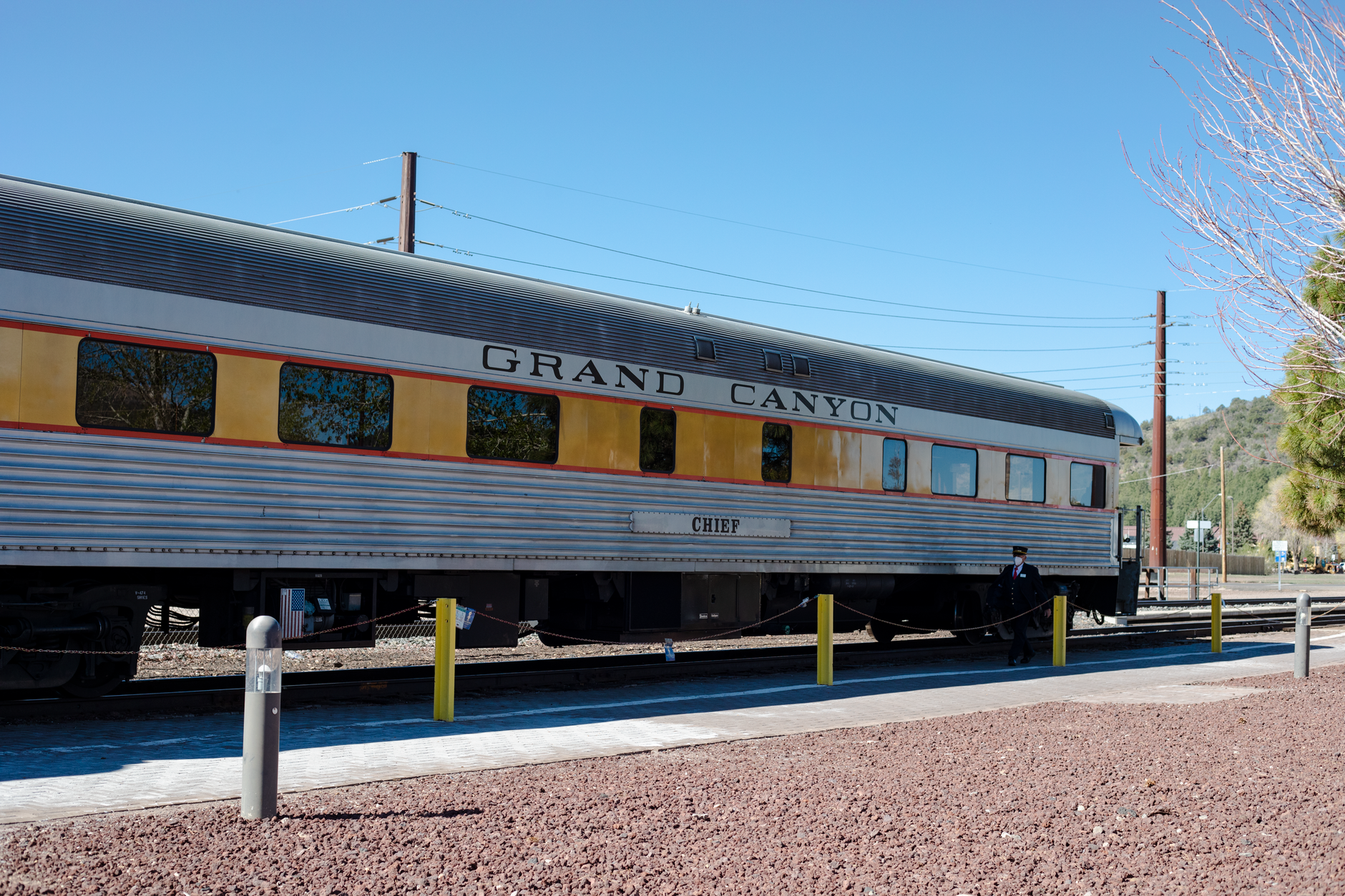
The Transcontinental Railroad is a historical engineering marvel that revolutionized travel and trade across the United States. Spanning approximately 1,900 miles, this incredible feat connects the eastern and western parts of the country, with endpoints in Omaha, Nebraska, and Sacramento, California. Today, many travelers seek to understand its historical significance and explore its remains.
Through this guide, find out where exactly the Transcontinental Railroad is located, what remnants of it still exist, and how you can best explore this iconic piece of American history. Whether you’re an avid history buff, a rail enthusiast, or curious about the natural landscapes it traverses, there’s something for everyone.
Where Is The Transcontinental Railroad?
The Transcontinental Railroad primarily ran from the eastern terminus in Omaha, Nebraska, to the western terminus in Sacramento, California. Along its route, it passed through several key states, including Iowa, Wyoming, Utah, Nevada, and California. Various historical sites, museums, and scenic trails still highlight portions of this historic journey.
Historical Background
The Transcontinental Railroad was completed on May 10, 1869, marked by the driving of the “Golden Spike” at Promontory Summit in Utah. This monumental project was driven by the growing need for faster transit across the vast American landscape and aimed to connect the East and West, facilitating economic growth and migration.
Before the railroad, treacherous travel via wagon trains or ships around South America took months. The railroad drastically reduced this time to just a few days and is credited with shaping the socio-economic landscape of the United States.
Understanding The Route
The Transcontinental Railroad’s route took travelers through diverse landscapes, including plains, mountains, and deserts. Below is a simplified overview of the major sections of the route.
- Omaha, Nebraska: Starting point on the eastern side.
- Iowa: The railroad crossed the Missouri River at Omaha.
- Wyoming: Features stunning mountain passes through the Rocky Mountains.
- Utah: The Golden Spike at Promontory Summit signifies the connecting point.
- Nevada: Travelers went through the Great Basin desert.
- California: Ending point in Sacramento.
Key Stops Along the Transcontinental Railroad
Several significant locations along the route offer insights into the railroad’s history and legacy. Here are some must-visit stops.
Omaha, Nebraska
Omaha serves as the eastern terminus of the railroad. Notable attractions include the Durham Museum, which showcases artifacts related to railroad history and the city’s development.
North Platte, Nebraska
Known for its historical significance during the railroad era, North Platte is home to the Golden Spike Tower. Here, visitors can view the original train yard and enjoy a panoramic view of the railroad’s expanse.
Cheyenne, Wyoming
This vibrant city was a key stop for railroads. The Cheyenne Depot Museum, situated in a restored depot, showcases the importance of the railroad for the city’s growth with exhibits and artifacts.
Utah
Promontory Summit is the site of the historic joining of the Central Pacific and Union Pacific railroads. The Golden Spike National Historical Park features reenactments and an exhibit center dedicated to the completion of the railroad.
Reno, Nevada
Reno evolved as a major stop due to its proximity to the Sierra Nevada. Visitors can explore the Living Museum of Railroading dedicated to the art of rail travel and its impact on local culture.
Sacramento, California
The western terminus is important for train enthusiasts. The California State Railroad Museum features a vast collection of historic locomotives and offers insights into the development of rail transportation in California.
Planning Your Visit
To navigate the Transcontinental Railroad’s path effectively, consider the best practices for experiencing its highlights.
Best Time to Visit
The ideal time to explore the Transcontinental Railroad is during spring and fall. Temperate weather conditions enhance the experience of outdoor activities and historical explorations. Summer can be crowded, while winter may limit access to certain areas due to snowfall.
Suggested Length of Stay
A well-planned trip could take between five to seven days, allowing for travel between key stops and immersive experiences at historical sites. This timeframe is adequate for enjoying the museums, scenic views, and local attractions along the way.
Transportation Options
Several transportation methods can help you explore the Transcontinental Railroad’s route efficiently.
Road Travel
A road trip is a favored method as it gives travelers flexibility. The route is well connected by highways, and you can rent a car in Omaha to follow the railroad’s trajectory. Plan your stops accordingly for the best experience.
Rail Travel
For a nostalgic experience, consider taking an Amtrak train. Check routes that include segments of the original railroad or connect you to key cities along the way. However, ensure to verify schedules and services as they can vary.
Public Transportation
In larger cities, local transit systems can facilitate movement. However, public transport options outside urban centers may be limited, making a rental car more practical.
Where to Stay
Accommodation options vary along the route, catering to different traveler preferences, including hotels, motels, and campgrounds.
Omaha
In Omaha, consider staying in the Old Market district for boutique hotels and easy access to attractions like the Durham Museum.
North Platte
North Platte offers a solid mid-range motel scene, with options for budget travelers as well. Look for accommodations near the Golden Spike Tower.
Cheyenne
In Cheyenne, you will find both chain hotels and charming inns reflecting the city’s western character.
Reno
Reno has a diverse range of hotels, from budget-friendly motels to upscale resorts that often include casino entertainment.
Sacramento
In Sacramento, the downtown area is popular for visitors, housing a variety of hotels close to the California State Railroad Museum and dining options.
Things to Do Along the Route
To maximize your experience, here are some recommended activities while exploring the Transcontinental Railroad.
- Museum Visits: Engage deeply with history at each significant railroad museum along the route.
- Scenic Drives: Explore additional scenic routes like the American River Scenic Byway in California.
- Guided Tours: Consider joining guided tours offered by historical societies in locations like Omaha and Cheyenne.
- Local Festivals: Look for local events or festivals that celebrate railroad history.
- Outdoor Activities: Hiking and biking are great ways to explore areas close to the route, especially in Utah and California.
Budget Considerations
Your travel budget will largely depend on accommodation choices, transportation, and activities. Here are practical tips for budgeting your trip.
- Accommodation: Prices range from budget motels to mid-range hotels. Aim for booking in advance to snag better rates.
- Food: Local diners and cafes often provide an authentic experience without breaking the bank.
- Transportation: Renting a car offers flexibility but be mindful of gas prices. Travel deals on public transport can also help save money.
- Attractions: Many museums have nominal entrance fees, while others might be free or donation-based.
Accessibility and Family Considerations
The sites along the Transcontinental Railroad vary in accessibility. While many locations cater to families, it’s advisable to check individual museums and attractions for specific accommodations for mobility-impaired visitors.
Traveling with children can present challenges but can also be rewarding. Look for child-friendly activities and interactive exhibits at museums to keep younger travelers engaged.
Safety is always a consideration when traveling. Remind children about safety, whether in urban or rural settings, and keep an eye on them at busy attractions.
Final Thoughts
Exploring the Transcontinental Railroad offers a unique glimpse into America’s past and its incredible journey of development. The blend of stunning scenery, rich history, and recreational opportunities make this exploration worthwhile for anyone interested in U.S. history and culture.
As you plan your visit, consider your interests—whether road tripping or making stops at significant historical locations, the Transcontinental Railroad journey is best enjoyed at a leisurely pace. Dive deep into this historical route for an enriching travel experience, and expand your understanding of America’s transportation legacy.
For more insights on historical trails and travel planning, explore our guides on the Mormon Trail and the curious question of vaping on Amtrak.