
When planning a trip, knowing the speed of commercial airlines can help you better understand travel times and flight durations. Understanding how fast these aircraft fly allows you to gauge your total travel time more accurately, which is vital for scheduling and making travel arrangements. In this article, we’ll explore the speeds of various commercial airlines, the factors affecting flight speed, and tips to keep in mind while booking your next flight.
Commercial airlines generally operate at cruising speeds ranging from approximately 480 to 560 miles per hour (mph), translating to about 775 to 900 kilometers per hour (km/h). The variation in speed depends on aircraft type, weight, altitude, and weather conditions. This knowledge can help travelers anticipate their flight times when traveling long distances and planning layovers.
How Fast Do Commercial Airlines Fly?
On average, commercial airlines fly between 480 and 560 mph. This means that a typical flight can cover distances effectively, reducing the time spent in transit. Factors like the aircraft model and operating conditions can influence this speed significantly.
Factors Influencing Commercial Airline Speeds
Several factors determine how fast an airline can fly, including:
- Aircraft Model: Different aircraft have different cruising speeds. For instance, larger jets like the Boeing 777 typically cruise faster than smaller aircraft like the Embraer E175.
- Weight Load: Heavier aircraft may fly slower due to the increased fuel consumption required to maintain altitude.
- Altitude: Flying at higher altitudes allows planes to fly faster by reducing air resistance; most commercial flights cruise between 30,000 and 40,000 feet.
- Weather Conditions: Tailwinds can increase ground speed, while headwinds can slow aircraft down. Storms may also lead to adjustments in flight paths, impacting total travel time.
- Air Traffic Control: Congestion in airspace may necessitate slower speeds during approach or departure phases.
Types of Commercial Airlines and Their Speeds
Let’s break down the speeds of different commercial aircraft to give you a better understanding of what to expect when you fly.
Jet Airliners
Most commercial jet airliners travel at similar speeds. Notable examples include:
- Boeing 737: Typically cruises at about 530 mph.
- Boeing 747: A larger aircraft that operates at a cruising speed of around 570 mph.
- Airbus A320: Commonly used for short to medium-haul flights, cruising at approximately 520 mph.
- Airbus A380: The world’s largest passenger airliner, with a cruising speed of about 560 mph.
Turboprop Aircraft
Turboprop planes are generally slower than jets, with cruising speeds of:
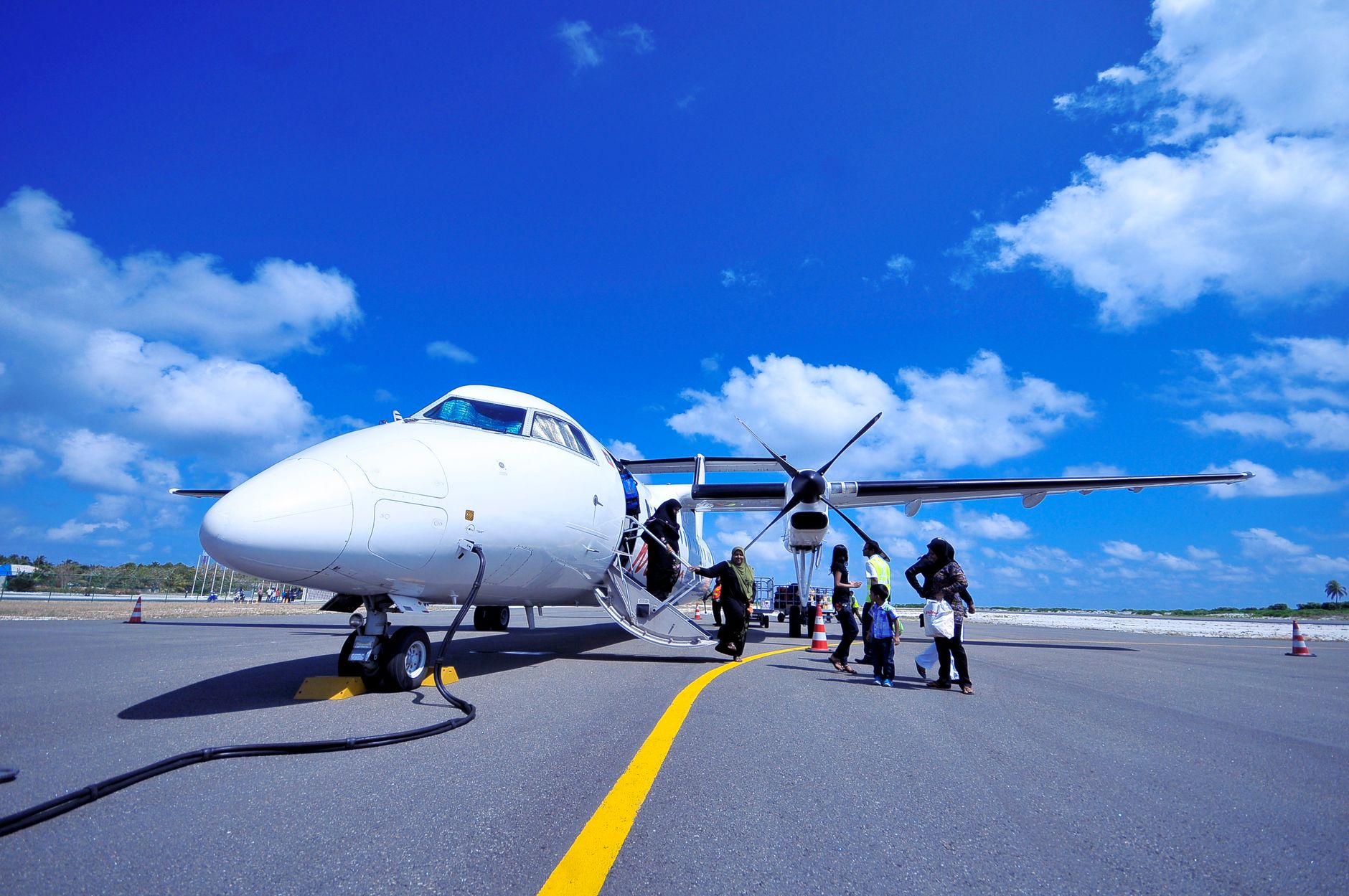
- Bombardier Dash 8: Typically cruises at around 360 mph.
- ATR 72: Usually operates at a slightly faster speed of about 400 mph.
Turboprop planes are ideal for regional travel, where shorter distances can be covered efficiently despite lower speeds.
Regional Jets
These smaller jets generally operate on shorter routes and can be faster than turboprop aircraft, achieving speeds around:
- Embraer E175: Cruising at approximately 480 mph.
- Bombardier CRJ900: Operating at speeds close to 500 mph.
Common Flight Durations Based on Speed
Understanding the speed of aircraft is helpful when estimating flight durations. Here are some examples of how fast you can expect to fly across different distances:
| Distance (Miles) | Approximate Time (Hours) |
|---|---|
| 300 | 0.5 – 0.75 |
| 600 | 1 – 1.25 |
| 1,200 | 2 – 2.5 |
| 2,400 | 4 – 5 |
| 3,000 | 5 – 6.25 |
Keep in mind that these durations do not account for time at the airport, possible delays, or layovers, which can significantly increase total travel time.
Planning Your Trip Based on Flight Speeds
When booking a trip, consider these practical aspects regarding flight speeds:
- Direct vs. Connected Flights: Nonstop flights save time compared to those with layovers, despite having similar speeds.
- Earth to Air Travel Time: The time from arriving at the airport to disembarking is often much longer than the flight duration due to check-in and security procedures.
- Selecting the Right Airline: Comparing airlines based on flight times and speeds can influence your choice, especially on long-haul flights.
What to Expect During Your Flight
Speed isn’t the only factor to consider when you’re on board. Here’s what you can expect:
- Altitude Changes: During takeoff and landing, planes usually fly at lower altitudes and slower speeds. Expect time for ascent and descent in your total travel estimate.
- In-Flight Services: While in the air, enjoy amenities based on the duration of your flight. On short flights, service may be minimal, while longer flights may offer meals and entertainment.
Environmental Considerations
Speed and flight time aren’t the only elements passengers should consider nowadays. With an increased focus on environmental sustainability, airlines are working to reduce their carbon footprints. Here are a few initiatives:
- Fuel Efficiency: Newer models are designed to be more fuel-efficient, reducing emissions per passenger-mile.
- Direct Routing: Airlines are optimizing routes to minimize travel distances and flight times.
- Alternative Fuel Sources: Some airlines are investing in sustainable aviation fuels to lower their impact on climate change.
Future of Commercial Airline Speeds
The landscape of air travel is continuously evolving, and advancements may affect speed and efficiency. Here are future trends to watch:
- Supersonic Travel: Companies are developing commercial supersonic jets that could drastically reduce long-haul flight times, though regulatory challenges remain.
- Electric Planes: Technological advancements in electric airplanes could lead to efficiency gains and reduced service times on shorter regional routes.
Preparing for Your Flight
To ensure a smooth air travel experience, consider the following tips:
- Allow Extra Time at the Airport: Arrive early to accommodate security checks and boarding; two hours is often recommended for domestic flights and three hours for international flights.
- Keep Track of Flight Speeds: Understanding typical speeds can help you gauge and manage expectations for your arrival time.
- Monitor Flight Schedules: Stay informed about potential delays or changes to ensure a stress-free departure.
FAQs about Commercial Airline Speeds
To wrap up, here are some frequently asked questions concerning airline speeds:
What is the fastest commercial airplane currently in operation?
The Boeing 747-8 is one of the fastest commercial aircraft, capable of reaching speeds around 570 mph. However, advancements may soon bring new players into this arena.
Do all airlines fly at the same speeds?
No, there can be variations in cruising speeds depending on the type of aircraft and its design, as well as operational factors like routes and weight.
How can I minimize travel time on flights?
Choosing non-stop flights and familiar routes can help, as well as flying during off-peak times when airports may be less congested.
Final Thoughts
Understanding the speeds of commercial airlines can enhance your travel experience by helping you effectively plan your journey. When booking flights, consider the various speeds and factors that influence traveling times. Make sure to keep up with the latest airline developments to ensure you are choosing the best options available.
For more travel insights and tips, explore related destination guides and travel-planning articles, including the California Side and things to do in San Francisco.